

Stop ‘Cooking’ Plastic in Your Microwave
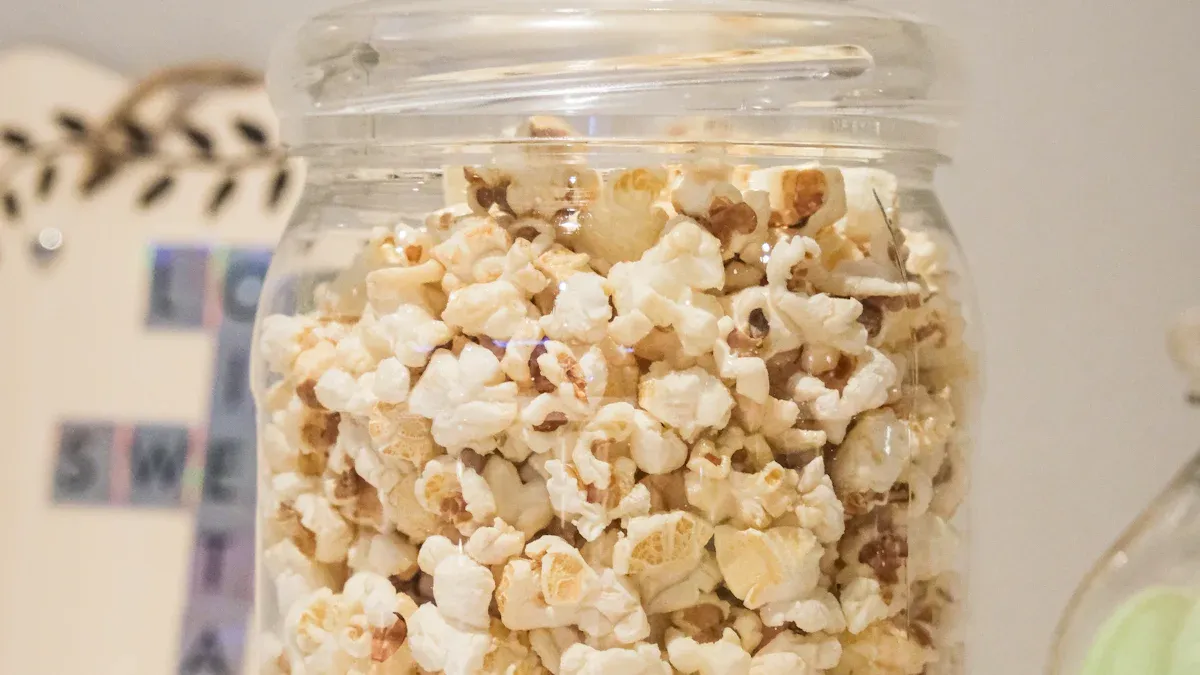
Many people believe that using plastic in the microwave is safe for food, but new research reveals that ‘Cooking’ Plastic Microwave habits can release food-grade microplastics into your meals. These microplastics, found in arter ial plaque, are now linked to increased risks of heart and thyroid problems. To avoid exposure, switch to glass or a Mason jar for heating and storing food—this simple change helps keep microplastics out of your diet and supports better health.
Cooking’Plastic Microwave—What Happens?
Heat Breaks Down Plastic
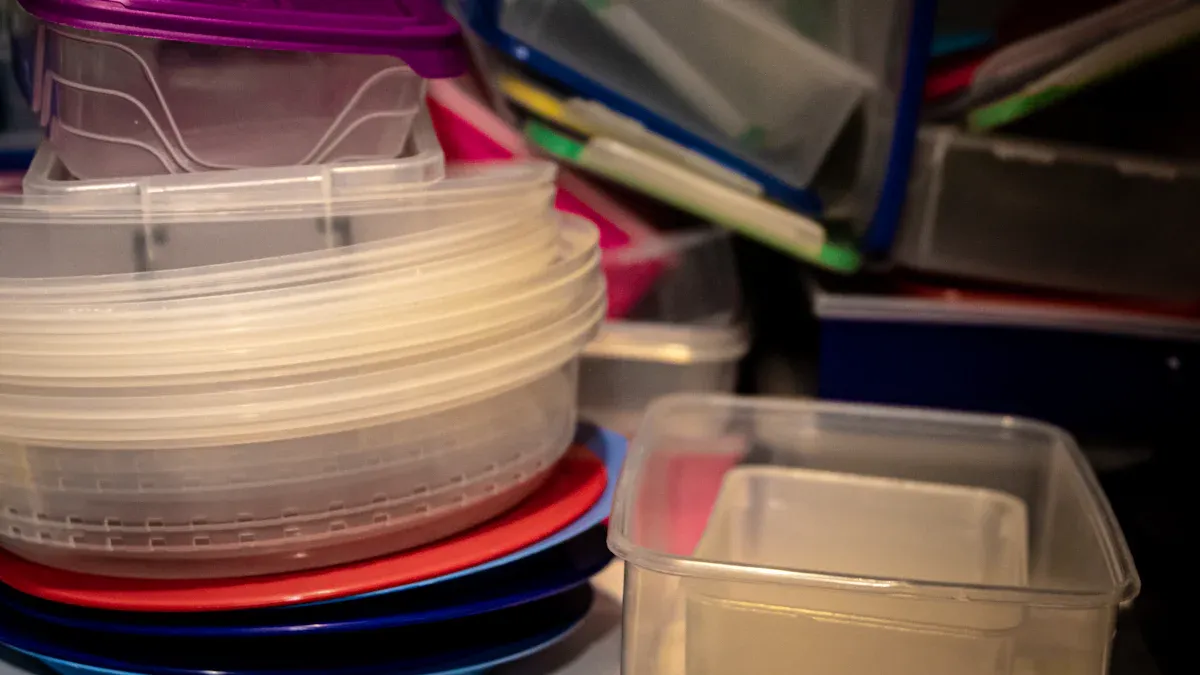
When you microwave plastic containers, the heat does more than warm food. The plastic starts to break apart. Even "microwave-safe" plastics can change when they get hot. Heat makes the plastic weaker. Tiny pieces can break off from the surface. These are called food-grade microplastics. They are so small you cannot see them. They can mix into your food.
Microplastics and Chemical Release
When plastic breaks down, it releases more than microplastics. It also lets out chemicals used to make the plastic strong or bendable. These chemicals can get into your food. This happens more with oily or fatty foods. New studies show how much plastic can get into food when microwaved:
Microwaving plastic containers can release lots of microplastics and even smaller nanoplastics into food.
In just three minutes, up to 4.22 million microplastic pieces can come from one square centimeter of plastic.
In the same time, 2.11 billion nanoplastic pieces can also be released.
You cannot see these tiny pieces, but your body can take them in when you eat. Eating food with microplastics over time can raise your risk of health problems. That is why you should think about what you use to heat your food.
Microplastics: What and Why
Food-Grade Microplastics Defined
Food-grade microplastics are very tiny pieces of plastic. They are smaller than 5 millimeters.
Some microplastics are made small on purpose, like microbeads in scrubs.
Others come from bigger plastics, like bottles or containers. Heat or oily foods can make them break off.
How Microplastics Enter Food
Heat is the main reason microplastics get into your food. When you microwave plastic, high heat makes more tiny pieces break off. Acidic foods, like tomato sauce, and washing containers many times can make this worse.
A new study found microwaving food in plastic can release millions of microplastic and nanoplastic pieces in three minutes. Fatty foods, like oils and cheese, soak up more microplastics than water.
High-Risk Foods and Containers
You are at the most risk when you heat oily or acidic foods in plastic containers. Old or scratched containers let out even more food-grade microplastics.
Why Microplastics Are Harmful
Hormone Disruption and Thyroid Risks
Food-grade microplastics can act like hormones in your body.
Chemicals in plastics, like BPA and phthalates, can mess with your thyroid gland.
Being around these chemicals for a long time may cause thyroid problems, hyperactivity, or changes in how your body grows.
Abnormal Cell Growth and Thyroid Disorders
These chemicals can stop your body from using iodine, which helps make thyroid hormones.
Studies show being exposed to plastic chemicals is linked to more thyroid problems, especially for kids and pregnant women.
You can lower your risk by using glass or ceramic to heat and store food.
Microplastics Found in Arter—Health Risks
Cardiovascular Dangers
Tiny plastic pieces can build up in your arteries. Scientists found microplastics in more than half of artery plaques they checked. This was shown in a study from The New England Journal of Medicine. The table below shows what they learned:
Study |
Prevalence of Microplastics in Arterial Plaque |
Associated Risks |
|---|---|---|
Marfella et al. |
Increased myocardial infarction, stroke, and mortality (hazard ratio 4.53) |
If you have microplastics in your artery plaque, your chance of heart attack or stroke goes way up. In one study, people with these particles were 4.5 times more likely to have a heart attack, stroke, or die in three years. Here is what the researchers found:
Study Findings |
Risk Increase |
Population Sample |
Microplastics Presence |
|---|---|---|---|
Harvard Study |
257 individuals |
58% had microplastics in plaque |
People with microplastics in their arteries had a much bigger chance of heart problems.
Their risk of heart attack and stroke was 4.5 times higher.
Microplastics can act like a frame inside your arteries. They pull in cholesterol and other stuff, making plaque grow faster and get more dangerous. Your immune system thinks these pieces are bad, so it causes swelling and damage in your blood vessels. Over time, this can lead to serious heart disease.
Thyroid Disruption
Your thyroid is a small gland in your neck. It helps control how your body uses energy. When you eat food-grade microplastics, these tiny pieces can mess up how your thyroid works. Scientists found several ways this happens:
Mechanism |
Description |
|---|---|
Decreased TSH levels |
Exposure to polystyrene microplastics lowers TSH, which may cause hyperthyroidism. |
Increased thyroid hormones |
Even with low TSH, levels of free T3 and free T4 go up, showing the thyroid is out of balance. |
Downregulation of TSHR and TPO |
The thyroid makes less TSH receptor and thyroid peroxidase, so it cannot make hormones properly. |
Oxidative stress |
The thyroid cells show damage and stress, which can hurt how the gland works. |
You might feel changes in your energy, mood, or weight if your thyroid does not work right. Over time, these changes can cause thyroid nodules or other problems. Kids and pregnant women are at higher risk because their bodies are still growing.
Chronic Inflammation
When you eat or drink things with microplastics, your body tries to fight them. This fight causes swelling, which is your body's way to protect itself. If the swelling does not stop, it can become long-lasting and lead to other health problems.
Study Title |
Findings |
Implications |
|---|---|---|
Microplastic exposure linked to accelerated aging and impaired adipogenesis in fat cells |
Higher levels of inflammation markers like IL6 and TNF-α in fat cells |
Microplastics may speed up aging and cause diseases |
Microplastics, Immunity & Brain Health |
Ongoing immune system activation |
Possible link to inflammation-related conditions |
Microplastics and human health |
Changes in gut bacteria, more gut leaks, more inflammation |
May cause chronic diseases and body-wide inflammation |
Your immune system reacts to microplastics by sending out chemicals that cause swelling.
Over time, this can hurt tissues and organs, making you feel tired or sick.
Long-lasting swelling is linked to diseases like diabetes, arthritis, and some cancers.
You can lower your risk by not using plastic containers for heating and storing food. Pick glass, ceramic, or Mason jars to help keep food-grade microplastics out of your body.
Which Plastics Are Unsafe?
'Microwave-Safe' Myth
Some plastic containers say "microwave-safe" on the label. This label might make you think it is safe to heat food in them. But even these plastics can let out chemicals when they get hot. The label only means the container will not melt or bend in the microwave. It does not mean it is safe for your health. When you heat plastic, tiny bits and chemicals can get into your food. You cannot see or taste these things, but your body can still take them in.
Tip: Put your food in glass or ceramic before you microwave it. This easy step helps you stay away from hidden dangers.
Plastics to Avoid
Some plastics are more risky when you heat them. You should know which ones to keep out of your microwave. Here are the main plastics you should not use:
Polystyrene (#6 PS): This plastic can let out styrene, which is linked to cancer, when it gets hot.
Black Plastics: These can have phthalates and heavy metals. Heating makes these bad chemicals more likely to get into your food.
Polyvinyl Chloride (#3 PVC): PVC can release harmful phthalates when heated. These chemicals can hurt your health.
Polycarbonate (#7 PC): Many polycarbonate containers have BPA. BPA can mess with your hormones and raise your chance of some cancers.
If you see these numbers or names on your containers, do not use them to heat food. Pick glass, ceramic, or Mason jars instead. These choices help keep your food safe from bad chemicals.
Glass and Mason Jar Solutions
Why Glass Is Best
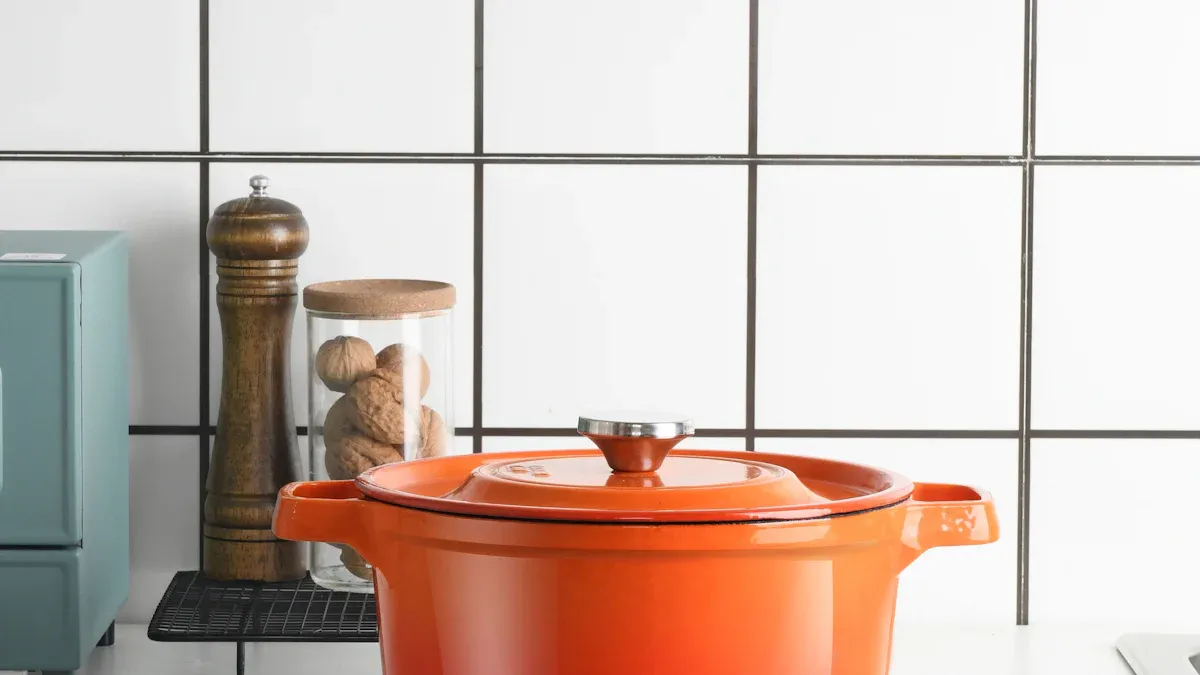
You want your food to be safe and fresh. Glass helps you feel calm when you heat or store food. Glass does not mix with food, even in the microwave or oven. You do not need to worry about chemicals getting into your soup or leftovers. Glass can handle hot and cold temperatures. You can move it from the freezer to the microwave, and it will not crack or break.
Here is a table that shows why glass is the safest choice for your kitchen:
Property |
Description |
|---|---|
Non-reactive nature |
Glass is made from natural ingredients and does not leach chemicals. |
No chemical leaching |
Glass does not contain harmful substances like BPA or phthalates. |
Temperature stability |
Glass can withstand significant temperature changes without breaking down. |
Sanitization capabilities |
Glass can be fully sanitized at high temperatures, ensuring safety. |
Studies show plastic containers can let out bad chemicals when heated. These chemicals can get into your food and may make you sick. Glass containers do not have this problem. You can heat, store, and serve food in glass without worrying about chemicals moving into your food.
Mason Jar Benefits
Mason jars make your kitchen safer and easier. You can use them for many things, like meal prep, marinating, cooking, storing leftovers, or packing lunch. Mason jars come in different sizes, so you can pick the best one for snacks or big meals. The tight seal keeps food fresh and stops spills.
Here are some reasons why Mason jars work better than plastic containers:
Mason jars last a long time. You can use them again and again.
They do not let chemicals into your food.
Mason jars are good for the environment.
You can clean them easily, even after oily foods.
The wide mouth makes it easy to fill, scoop, and wash.
Feature |
Mason Jars |
Plastic Containers |
|---|---|---|
Initial Cost |
Higher initial cost |
Generally lower initial cost |
Durability |
Long-lasting and sturdy |
Less durable |
Reusability |
Highly reusable |
Limited reuse |
Environmental Impact |
Contributes to plastic waste |
|
Chemical Safety |
Chemical-free |
May leach harmful chemicals |
You help the earth when you pick Mason jars. Glass can be recycled many times and stays strong. Your food tastes fresh because the seal keeps in flavor. Mason jars come in sizes from 4oz to 64oz. You can store nuts, salads, soups, or overnight oats.
Tip: Try Mason jars for your next lunch or snack. You will see how easy they are to clean and how fresh your food stays.
Ceramic Alternatives
Ceramic dishes are another safe way to heat and serve food. You can use ceramic bowls and plates in the microwave, oven, or on the table. Ceramic does not let out chemicals, and it keeps food warm longer. Many people like ceramic because it looks nice and feels strong.
You can trust ceramic for daily use. It works well for soups, stews, and baked foods. The smooth surface makes cleaning easy. You add style to your kitchen and keep your food safe.
Ceramic and glass both keep your food safe from bad chemicals. You can use them for every meal and feel good about it.
Quick Tips to Avoid Microplastics
Enforce the Heating Rule
You can keep microplastics out of your food by using one easy rule. Always move your food into glass or ceramic before you heat it. Plastic containers let out tiny pieces and chemicals when they get hot. Glass and ceramic do not mix with food or heat, so they keep your meals safe.
Use glass or ceramic dishes when you microwave leftovers.
Do not heat food in any plastic packaging.
Pick glass or stainless steel to store snacks and lunches.
Tip: If you see "microwave-safe" on a plastic container, remember it only means the container will not melt. It does not mean your food will be free from microplastics.
Upgrade Your Coffee Routine
Many coffee pods and capsules have plastic that can leak chemicals into your drink. You can use safer ways and get better taste. Try a French press, pour-over with ceramic, or a glass coffee maker.
Researchers studied people who used less plastic for coffee:
Study Aspect |
Details |
|---|---|
Participants |
|
Intervention |
Low-plastic lifestyle for 4 weeks |
Key Measurements |
Urine bisphenol, blood pressure, body fat |
Findings |
91% had BPA in urine; 7 days of low-plastic lowered levels |
Study Importance |
First test of lowering plastic exposure and health markers |
Start the Mason Jar Project
Mason jars help keep food safe and fresh. You can use them for meal prep, storage, and cooking. Mason jars are made from glass, so they do not let out microplastics.
Store grains, nuts, and salads in Mason jars.
Use Mason jars for marinating and packing lunches.
Clean them easily after you use them.
Small changes, like switching to glass or ceramic, can help your health. You can start now and see good results for years.
If you stop using plastic in the microwave, you help your health. Research shows microplastics can make heart and thyroid problems more likely. Pick glass, Mason jars, or ceramic for making food.
You get less harmful chemicals in your food
Your kitchen is safer and easier to use
Small changes can make your kitchen healthier
hello Kitchen